When a credit bureau marks your dispute "verified," you have the right to know how. Here's how a method of verification request works and what to do with the answer.
You sent a solid dispute. Thirty days later the letter comes back: "verified as accurate." No documents. No explanation.
This is where most people quit. Don't. The FCRA gives you a follow-up right that most consumers never use.
Your right to know how they verified
When a bureau finishes an investigation, its results notice must tell you that you can request "a description of the procedure used to determine the accuracy and completeness of the information." Once you ask, the bureau must send that description within 15 days of receiving your request (15 U.S.C. 1681i(a)(6)-(7)).
The description must include the business name, address and, if reasonably available, phone number of the furnisher the bureau contacted.
This is called a method of verification (MOV) request.
Why it's worth sending
Remember how disputes travel. Most go to the furnisher as a short numeric code through the e-OSCAR system, usually without your documents (CFPB findings via Public Citizen). "Verified" often means the furnisher's system matched your name to the account and confirmed what it already had on file.
An MOV request does three things: - It shows you who verified the item and how, so you know where to aim next. - It creates a written record that the investigation was or wasn't reasonable. - If the bureau ignores you or misses the 15 days, that is a separate FCRA violation you can document in a complaint.
What it doesn't do
Let's be straight, because a lot of credit repair content gets this wrong. A vague or late MOV response does not automatically force the bureau to delete the item. The law requires the bureau to describe its procedure. It doesn't require it to hand over the furnisher's documents.
The value of the MOV is leverage and evidence. It sets you up for the next move: a sharper re-dispute, a direct dispute with the furnisher, or a CFPB complaint.
What to put in the MOV letter
- The date of your original dispute and the bureau's confirmation or report number.
- Each account that came back verified, with creditor name and last 4 digits.
- A request, under 1681i(a)(6)(B)(iii) and (a)(7), for a description of the procedure used to verify each item.
- A request for the name, address and phone number of each furnisher contacted.
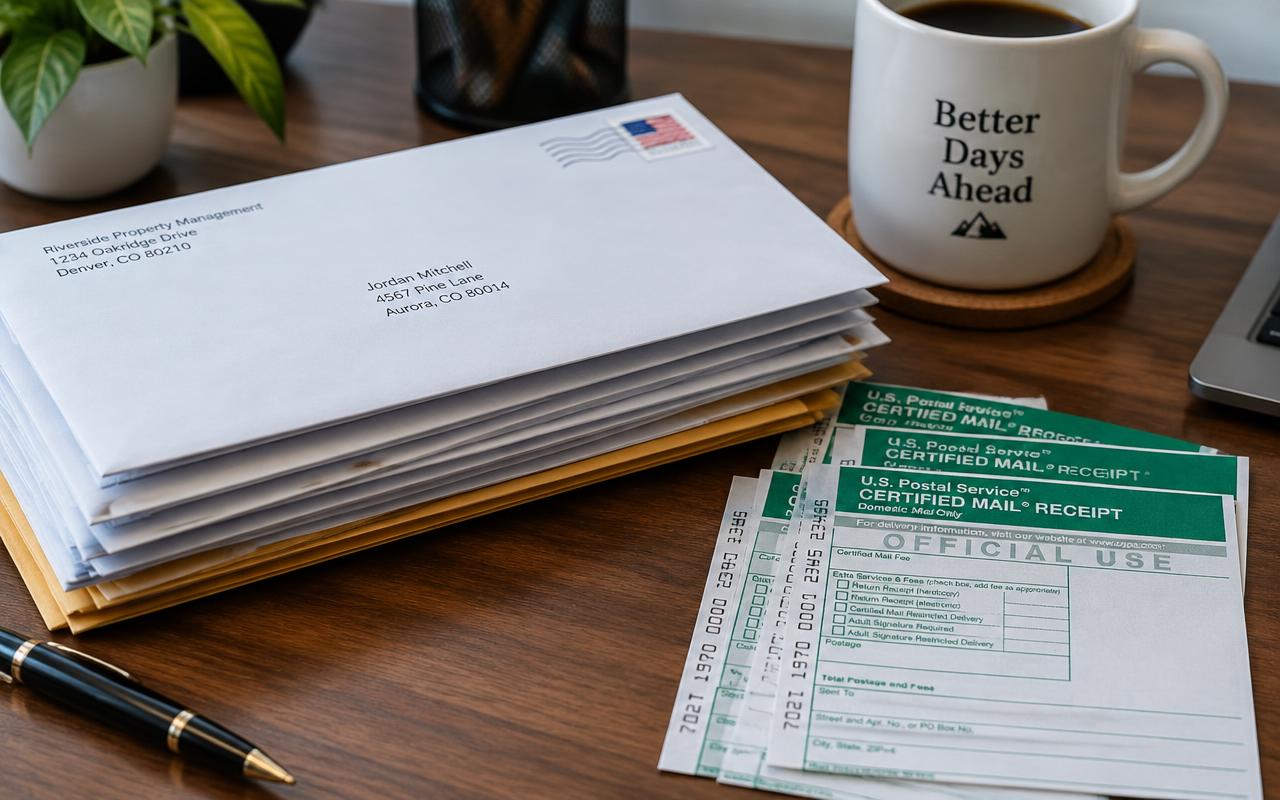
- A note that you expect the response within 15 days. Send it Certified Mail with Return Receipt and log the date.
Reading the response
- Item deleted: It couldn't be re-verified: Watch for reinsertion; you must get notice within 5 business days
- "Verified electronically with the furnisher": An automated match, no document review: Dispute directly with the furnisher, with evidence (Article 10)
- Furnisher named, details given: A real investigation, or at least a named source: Re-dispute only if you have new, specific evidence
- No response after 15 days: A possible FCRA violation: File a CFPB complaint (Article 10)
Wait 15 to 30 days, then decide
Give the bureau its 15 days plus mail time. Then decide whether the item goes back into a stronger dispute or into escalation. Article 10 covers both.
A “verified” response doesn’t have to leave you stuck
Start with our free guide to revisit dispute basics and organize your next move around genuine errors—not promises of deletion.
This article shares general tips. It is not legal or money advice for your own situation. Results are different for each person.